Compare Local Contractors for Landscaping Replacement Projects
Compare local contractors to define project scope, verify experience, and set clear expectations for your landscaping replacement project.
Landscaping replacement projects typically involve removing existing landscape features and installing new elements to enhance the appearance and functionality of outdoor spaces. This can include replacing lawns, shrubs, trees, pathways, patios, and other hardscape or softscape components. The scope of work may vary depending on the property's needs and the owner’s vision, making it important to clearly define what is included in the project. Clarifying the specific tasks, materials, and desired outcomes helps ensure that all parties have aligned expectations and reduces the risk of misunderstandings during the process.
Defining the scope of a landscaping replacement project is a key step in selecting the right service provider. A well-detailed scope provides a clear outline of the work to be performed, the materials to be used, and the desired results. This documentation serves as a foundation for comparing different contractors, allowing property owners to evaluate how each one plans to approach the project. It also helps prevent scope creep and provides a basis for resolving any disagreements that may arise. When discussing the project with potential contractors, having a comprehensive scope in writing can facilitate more accurate and consistent proposals.
Property owners can effectively compare local contractors by reviewing their experience with similar projects, checking references or past work, and understanding their approach to project scope and communication. It’s beneficial to ask how each contractor plans to handle the replacement process, what steps they take to ensure quality, and how they manage unexpected issues. Verifying that each service provider understands the defined scope and can deliver according to the outlined expectations helps in making an informed decision. By focusing on these practical aspects, property owners can select a contractor capable of fulfilling the project’s specific requirements with clarity and professionalism.
Compare local contractors by outlining your project priorities, verifying experience, and clearly defining expectations in writing.
- Compare Contractor Experience - Review the backgrounds and project histories of local contractors to ensure relevant expertise.
- Define Project Scope Clearly - Establish detailed expectations and deliverables in writing to avoid misunderstandings.
- Verify Credentials and References - Check references and past work to assess the reliability and quality of local service providers.
- Set Expectations in Writing - Document all project details, including scope and responsibilities, to facilitate smooth collaboration.
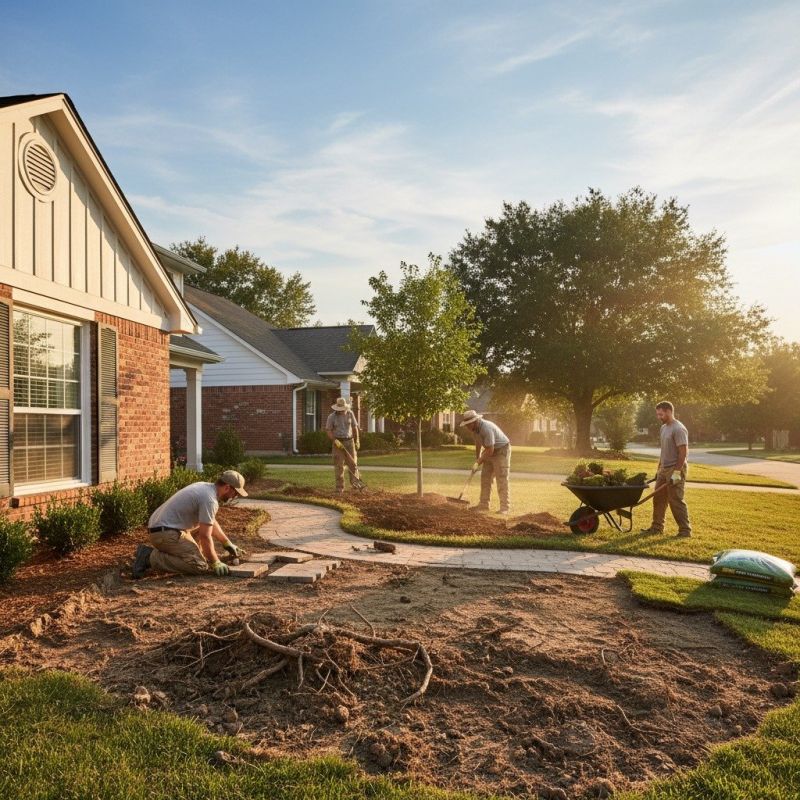
Clearly define your landscaping replacement project and compare local contractors based on experience and scope.
- Verify experience and expertise in landscaping replacement projects to ensure contractors are knowledgeable about the scope of work. - Review portfolios or project histories to assess the quality and style of previous landscaping replacements.
- Define the scope of work clearly to prevent misunderstandings and ensure all desired elements are included. - Discuss specific plantings, materials, and design features to establish detailed project expectations.
- Request written estimates that outline the scope, materials, and work to be performed for comparison purposes. - Ensure all project details are documented to facilitate accurate evaluation of proposals.
- Check references or reviews to gauge the reliability and professionalism of local contractors. - Gather feedback from past clients to understand their experience with the service provider.
- Confirm that the contractor understands the site conditions and any limitations that may affect the project. - Discuss existing landscape features and potential challenges to set realistic expectations.
- Ensure that the scope of work, materials, and project details are documented in a formal agreement before work begins. - Having a written contract helps clarify responsibilities and reduces the risk of disputes.
Use this to compare local contractors, clarify project scope, verify experience, and set clear expectations.




Learn how to compare landscaping replacement contractors, define project scope, verify experience, and set clear expectations in writing.
- Scope Definition - Clearly outline the specific landscaping replacement tasks to be performed by service providers.
- Material Selection - Specify the types and quality of materials to be used in the replacement process.
- Design Expectations - Describe the desired landscape design features and overall aesthetic goals.
- Work Area Boundaries - Identify the exact locations and boundaries where landscaping replacement will occur.
- Project Responsibilities - Define the roles and responsibilities of the local contractors involved in the replacement work.
When evaluating contractors for landscaping replacement, it’s important to consider their experience with similar projects. Service providers who have a history of handling landscaping replacements comparable in scope and complexity are more likely to understand the specific challenges involved. Inquire about their previous work to determine if they have successfully completed projects similar in size, style, or terrain. This background can provide insight into their familiarity with the tasks at hand and their ability to deliver results that meet expectations.
A clear, written scope of work is essential when comparing different contractors. This document should outline the specific tasks to be performed, materials to be used, and the desired outcomes. A detailed scope helps ensure that all parties share a common understanding of the project’s parameters, reducing the potential for misunderstandings or unmet expectations. When reviewing proposals, look for clarity and completeness in the scope to facilitate more effective comparisons among service providers.
Verification basics are key to assessing the reliability of local contractors. Confirm that they have a track record of completing similar projects and inquire about references or examples of past work. Additionally, verify that they carry appropriate insurance coverage and adhere to safety standards. While licensing and certification are not the focus here, understanding a contractor’s reputation and operational practices can help determine their professionalism and ability to deliver quality results.
When comparing options, focus on how well each contractor’s experience, scope of work, and verification practices align with the project’s needs. Ask for detailed proposals that specify work descriptions and verify their credentials and references. Avoid relying solely on promotional materials or generic statements; instead, evaluate the specifics of each service provider’s approach. This thorough comparison process can help identify the service providers best suited to handle the landscaping replacement effectively.
Ask contractors to provide written scope details to ensure clear expectations and consistent project understanding.
- Experience and Expertise - What experience do local contractors have with landscaping replacement projects similar to yours?
- Scope of Work - How do contractors define and document the specific scope of the landscaping replacement?
- Materials and Techniques - What materials and methods do local service providers plan to use, and how do they compare?
- Project Expectations - How will the scope and details of the project be clarified and confirmed in writing?
- Contractor Comparison - What criteria should be used to compare different local contractors’ approaches and experience?
How can I compare different contractors for landscaping replacement? To compare contractors, review their experience, reputation, and the scope of services offered, ensuring they meet your project needs.
What should I consider when defining the scope of a landscaping replacement project? Clearly outline the desired changes, including plant selections, hardscape features, and any maintenance requirements, to communicate your expectations effectively.
How do I verify a contractor's experience with landscaping replacements? Ask for references or examples of previous work similar to your project, and check their track record with local service providers in your area.
Why is it important to get the scope of work in writing? Having a detailed, written scope helps set clear expectations, prevents misunderstandings, and provides a record of the agreed-upon work.
What questions should I ask potential contractors before hiring? Inquire about their previous experience, methods, materials used, and how they handle project changes to ensure they align with your project goals.
How can I ensure the contractor understands my landscaping replacement needs? Communicate your vision clearly, provide detailed descriptions, and confirm that the contractor has a comprehensive understanding before proceeding.
This page has provided an overview of what to consider when selecting contractors for landscaping replacement projects. Visitors now understand the importance of clearly defining the scope of work, verifying the experience of service providers, and putting all expectations into writing to ensure a smooth process. Comparing multiple local contractors can help identify options that align with specific project needs and preferences.
To find the right professional for landscaping replacement, using the quote form to compare local contractors is a practical next step. This approach allows for a straightforward way to explore different service providers, helping to make informed decisions based on the options available in the area.